
A cataract is the clouding of the eye’s natural lens. When a cataract forms, the cloudy lens blocks the passage of light through the eye. This interference in the lens alters the image that reaches the retina, which is then sent to the brain. As a result, vision is poor and clouded.
The most common cause of cataracts is the natural aging process. Around the age of 40, the chemical composition of the eye changes. The normally clear and flexible lens begins to harden and become cloudy with time.
Only an eye doctor can diagnose whether you have a cataract or another type of vision problem. If you experience any of the symptoms below, you should consult a specialist at SIEHT for an eye examination.
Common signs of a cataract include the following:


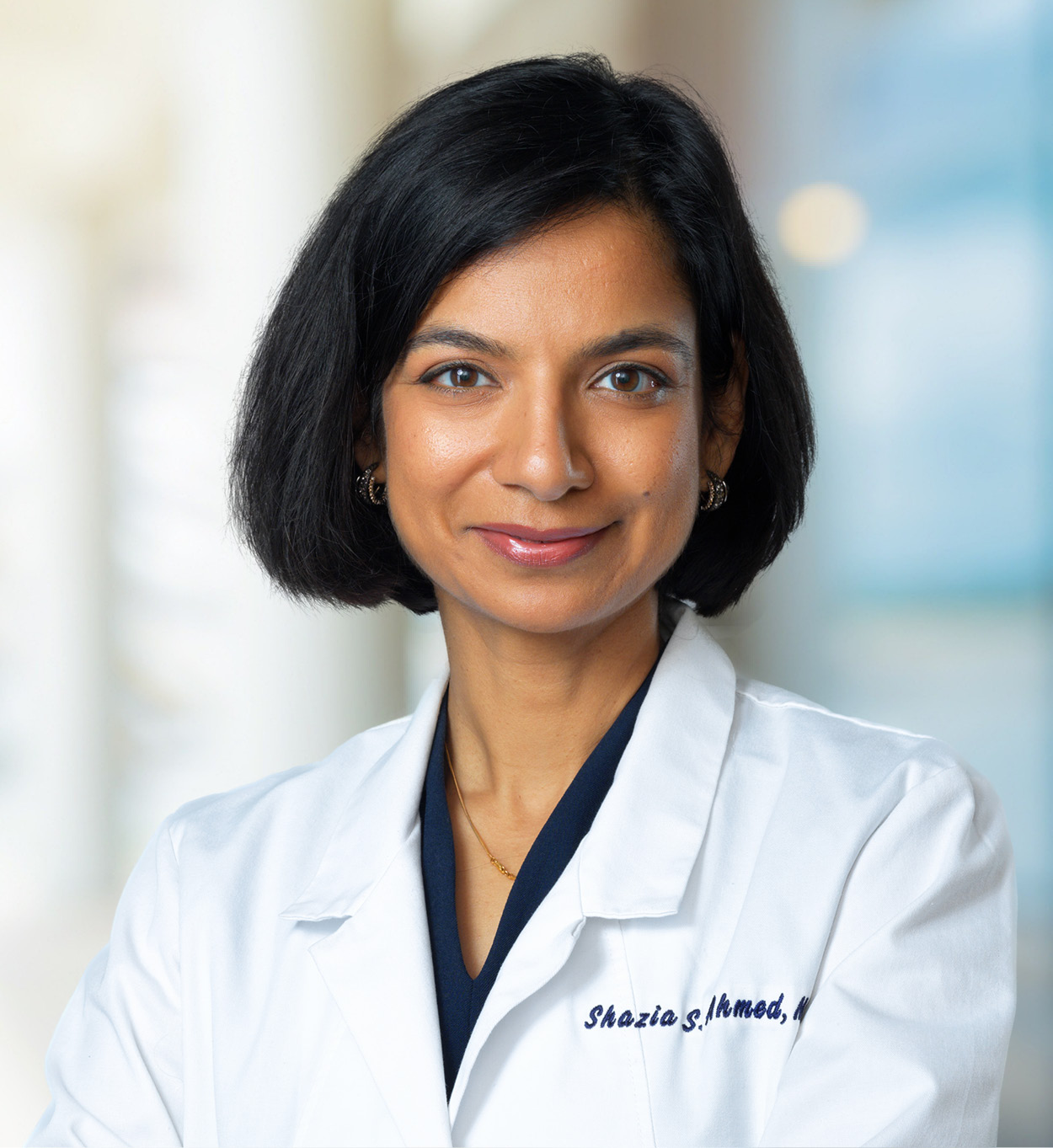
Dr. Ahmed is a board-certified ophthalmologist specializing in complex cataract surgery, laser vision correction, ocular surface disease, and corneal transplantation. Dr. Ahmed is consistently named a "Top Doctor" in Ophthalmology by the Washingtonian and is a member of the American Academy of Ophthalmology and the American Society of Cataract and Refractive Surgery.
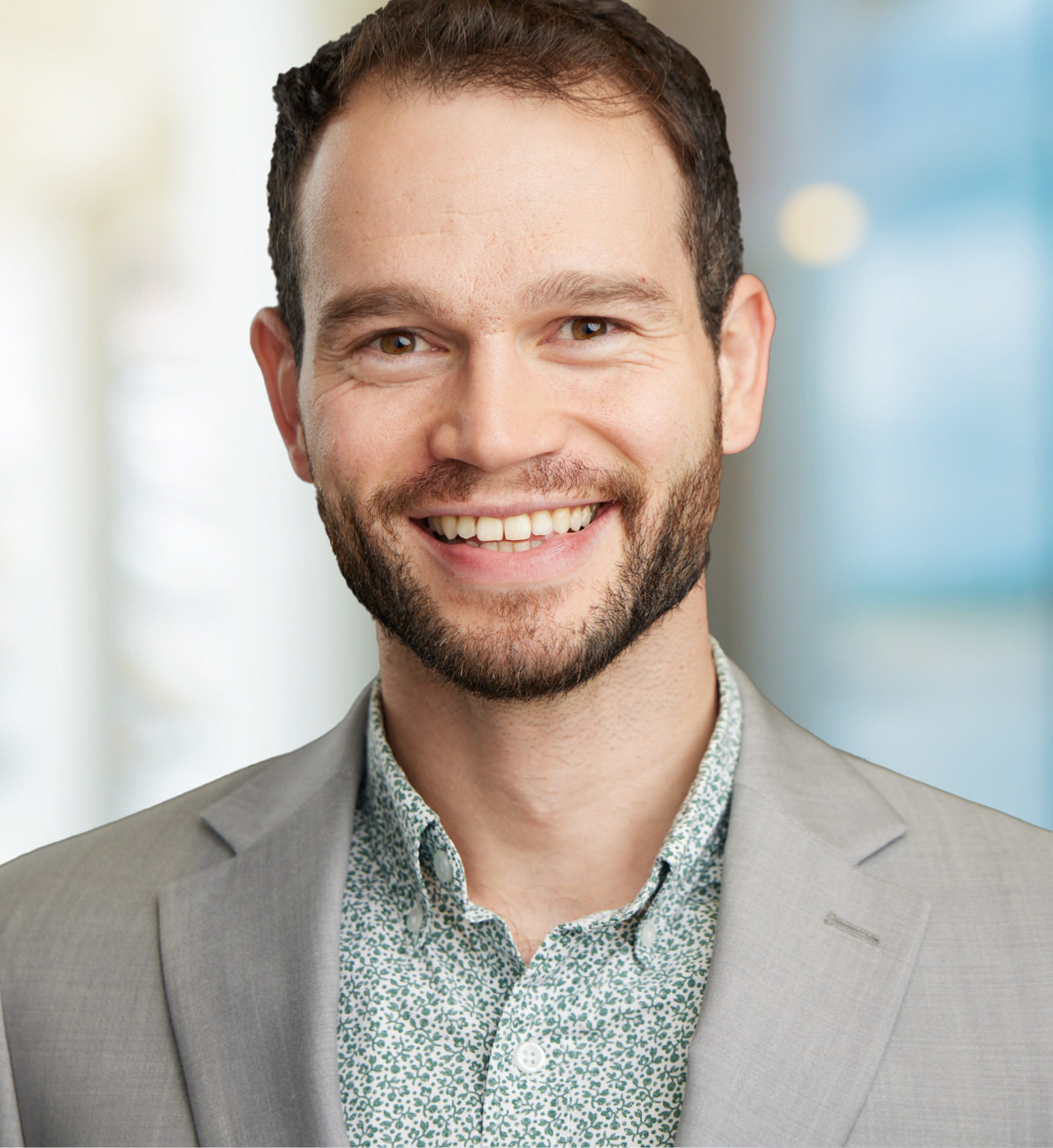
Dr. McGuigan is a comprehensive ophthalmologist at SIEHT who is deeply committed to protecting and enhancing his patients’ vision across every stage of life. Throughout his training, Dr. McGuigan has contributed to numerous peer-reviewed publications and has been recognized with multiple honors for both his clinical and academic achievements.
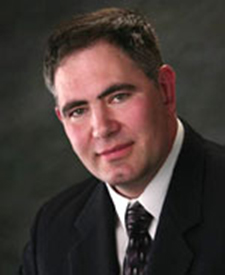
Dr. Hudson is a board-certified ophthalmologist specializing in Advanced Cataract Surgery (PanOptix, Toric Lenses, and Limbal Relaxing Incisions for astigmatism correction), Anterior Segment Surgery, Eyelid Surgery (including blepharoplasty and BOTOX), Laser Glaucoma Surgery, Medical Retina, Laser Surgery, and diabetic and routine eye care. He has been named one of America’s Top Comprehensive Ophthalmologists by the Consumers’ Research Council of America, and has authored or co-authored textbook chapters and journal articles on the medical and surgical management of eye injuries and infections.
During cataract surgery, your surgeon will remove your natural lens and replace it with an artificial lens, known as an intraocular lens or IOL, to allow you to see clearly once again. There are many IOL options to choose from based on your budget, vision goals and lifestyle.

Until recently, patients with astigmatism had to undergo either corneal refractive surgery (LASIK, PRK, or Limbal Relaxation Incisions) after lens implant surgery or remain dependent on glasses or contact lenses. At SIEHT, we offer advanced toric intraocular lenses to correct astigmatism. The toric lens, combined with our state-of-the-art ORA system, provides patients with the best available astigmatism correction.
SIEHT is pleased to offer our patients the AcrySof IQ PanOptix Trifocal Lens, which is the first trifocal lens available in the United States. Compared to older "monofocal" intraocular lenses (IOLs), the AcrySof IQ PanOptix provides enhanced near, intermediate, and distance vision to help reverse the effects of presbyopia and reduce your reliance on visual aids. This is an excellent trifocal IOL that provides an exceptional range of vision.
We also offer patients with presbyopia the AcrySof IQ Vivity lens, the latest extended depth of focus IOL, which provides excellent distance and intermediate vision while minimizing halos and glare. This exceptional lens is also available in an EDOF toric version and is considered one of the most advanced EDOF intraocular lenses available worldwide.
At SIEHT, cataract surgery is tailored to meet your individual vision needs. Our expert cataract surgeons perform custom or laser-assisted cataract surgery using multifocal, EDOF, and astigmatic lenses. This advanced technology is exclusively available in the Fredericksburg region at SIEHT!
With the latest cataract technology, lifestyle lens options, and over 20 years of experience, we are confident we can get you back to clear vision.

“I’ve been a patient for years. Dr. Hudson is highly qualified, professional, and personable. I had cataract surgery in 2020 by Dr. Hudson. Everything went so smoothly at their Surgery Center. The staff are all professional and nice. I would highly recommend these eye doctors/surgeons.”
- Dee Anness W.
“My doctor was pleasant, efficient, and explained what he would be doing. His use of the laser on my cataract lens was painless, quick, and amazingly easy.
Maybe 30 seconds after the procedure, I noticed a positive change in my vision. Since the surgery/procedure, I have experienced no negative issues. I look forward to my follow-up. Overall, a positive experience from beginning to end.”
- John S.
“I had cataract surgery over 4 years ago with SIEHT, and they did an excellent job. I have and would highly recommend SIEHT. I have recently had to go back to have a follow-up, and they have taken care of me like I just had surgery yesterday. Dr Hudson took very good care of me and was very professional.”
- Travis O.
Fredericksburg
12 Chatham Heights Road
Suite 100
Fredericksburg, VA 22405
Stafford
450 Garrisonville Road
Suite 107
Stafford, VA 22554
© Sieht all rights reserved 2025